If you’re considering tinting your vehicle, it’s essential to understand New Jersey’s strict window tint laws before making any decisions. At AutoWorks, helping drivers stay both stylish and compliant is a top priority. Knowing what’s legal—and what’s not—can save you from costly fines, failed inspections, and unnecessary headaches.
Why Window Tint Laws Matter in New Jersey
Window tinting offers plenty of benefits, including heat reduction, UV protection, glare control, and enhanced privacy. However, New Jersey enforces some of the strictest tint laws in the country to ensure road safety and allow law enforcement to clearly see inside vehicles during traffic stops.
Failing to comply with these laws can result in fines, mandatory tint removal, and even inspection issues. That’s why it’s crucial to understand the regulations before installing any film.
What Is VLT (Visible Light Transmission)?
Before diving into the laws, it’s important to understand how tint is measured. Window tint darkness is determined by Visible Light Transmission (VLT), which refers to the percentage of light that passes through your windows.
- Higher VLT = lighter tint
- Lower VLT = darker tint
For example, a 5% tint is extremely dark (often called “limo tint”), while a 70% tint is very light.
New Jersey Window Tint Laws (2026)
New Jersey’s tint laws are straightforward—but strict. Here’s what you need to know:
Windshield
- No tint is allowed on the windshield, except for a strip along the top (above the AS-1 line).
Front Side Windows (Driver & Passenger)
- Tint is generally not permitted on front side windows.
- In some interpretations, very light tint (around 70% VLT or higher) may be acceptable, but darker films are illegal.
 Back Side Windows
- You can apply any level of tint darkness.
Rear Window
- Any darkness is allowed, provided your vehicle has dual side mirrors.
In short: the front of your vehicle must remain mostly clear, while the rear offers much more flexibility.
Reflective & Colored Tint Restrictions
New Jersey also regulates the type of tint you can use:
- Mirrored or metallic tints are prohibited due to glare concerns.
- Excessively reflective films can create hazards for other drivers and are not allowed.
- There are generally no restrictions on tint color, as long as it doesn’t interfere with visibility.
Medical Exemptions
If you have a medical condition that causes light sensitivity—such as lupus or certain skin disorders—you may qualify for a medical exemption.
To apply, you must:
- Obtain documentation from a licensed physician
- Submit an application through the New Jersey Motor Vehicle Commission (MVC)
- Keep your exemption certificate in your vehicle at all times
Approved exemptions allow darker tint on front windows than normally permitted.
Penalties for Illegal Window Tint
Getting caught with illegal tint in New Jersey can lead to:
- Fines (typically under $100 for first offenses)
- Orders to remove or replace non-compliant tint
- Possible inspection failure
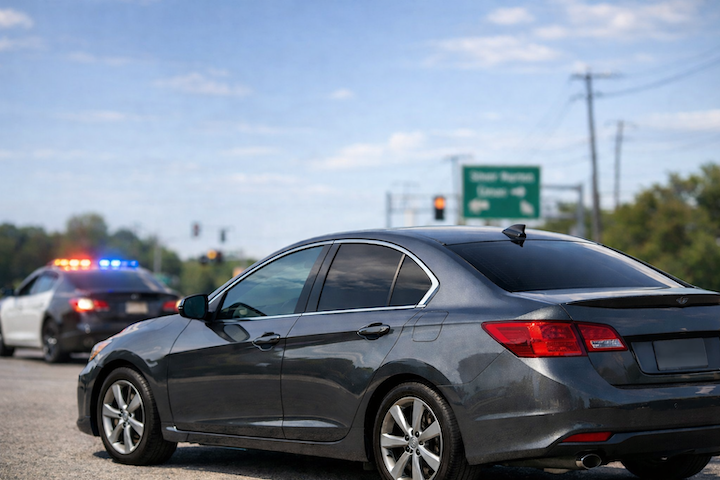
- Being pulled over, since illegal tint can be considered probable cause for a stop
While tint violations usually don’t add points to your license, they can still be costly and inconvenient.
Common Mistakes Drivers Make
Many New Jersey drivers unknowingly break tint laws. Here are a few common mistakes:
- Assuming factory tint is always legal
- Installing dark tint on front windows
- Choosing reflective or mirrored films
- Not accounting for combined VLT (factory glass + tint film)
Working with a professional installer helps you avoid these pitfalls.
How AutoWorks Helps You Stay Compliant
Choosing a trusted tint shop like AutoWorks ensures your vehicle meets all New Jersey regulations while still achieving the look and performance you want.
Professional installers:
- Recommend compliant tint options
- Use high-quality, non-reflective films
- Measure VLT accurately
- Ensure proper installation for long-term durability
This eliminates the guesswork and protects your investment.
Understanding New Jersey window tint laws is essential before tinting your car. While the state allows flexibility for rear windows, restrictions on the windshield and front side windows are strict and heavily enforced.
By staying informed and working with experienced professionals like AutoWorks, you can enjoy the benefits of window tint—without risking fines or legal issues. If you’re ready to upgrade your vehicle, make sure you choose a solution that’s both stylish and fully compliant with New Jersey law.
